
Lorry Crane Singapore: Why Integrated Lifting and Transportation Matters for Modern Projects
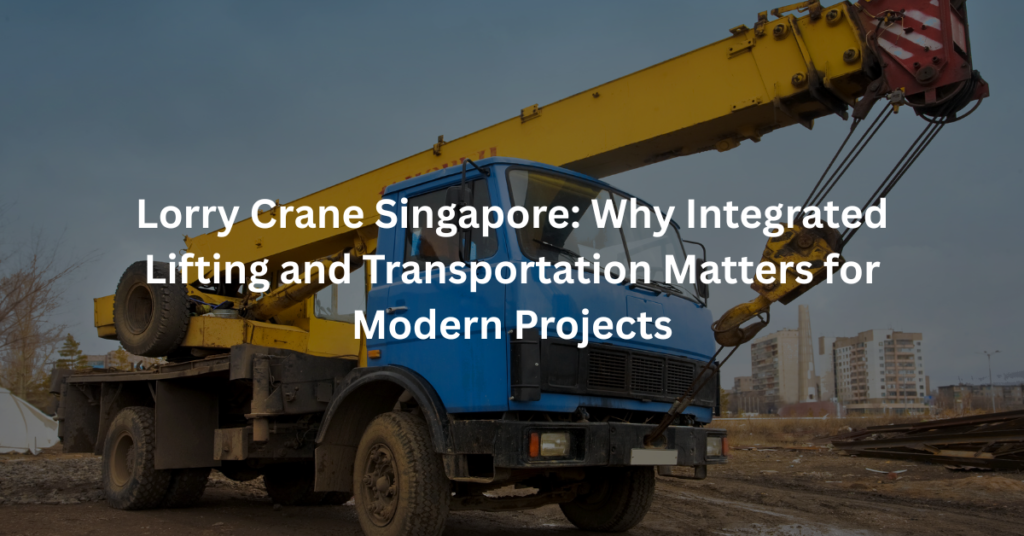
Lorry Crane Singapore: Why Integrated Lifting and Transportation Matters for Modern Projects In Singapore’s fast-paced construction, industrial, and infrastructure sectors, moving heavy equipment efficiently is essential to keeping projects on schedule. Whether transporting machinery to a manufacturing facility, positioning electrical equipment within a construction site, or delivering oversized cargo to industrial plants, businesses require lifting solutions that are both safe and efficient. This is where lorry crane Singapore services play a critical role. By combining transportation and lifting capabilities into a single solution, lorry cranes help businesses reduce operational complexity, improve productivity, and enhance workplace safety. As projects become increasingly complex and time-sensitive, professional lorry crane services have become an important part of Singapore’s logistics, construction, and engineering industries. What Is a Lorry Crane? A lorry crane is a vehicle equipped with a hydraulic crane mounted directly onto a truck chassis. Unlike conventional transportation vehicles, a lorry crane can both transport cargo and perform lifting operations at the destination. This dual functionality allows businesses to: Transport heavy equipment directly to site Lift cargo from the vehicle without requiring additional cranes Reduce manpower requirements Improve project efficiency Minimise equipment mobilisation costs For many industrial and construction applications, a lorry crane Singapore service provides a practical and cost-effective solution. Industries That Rely on Lorry Crane Singapore Services Many industries require regular lifting and transportation of heavy equipment. Construction Industry Construction projects frequently involve the movement of: Steel structures Building materials Mechanical systems Generator sets Precast components Lorry cranes enable contractors to transport and position equipment directly on-site, reducing handling time and improving workflow efficiency. According to the Building and Construction Authority, productivity and safety remain key priorities within Singapore’s construction sector, making efficient lifting solutions increasingly important. Industrial Manufacturing Manufacturing facilities often require machinery relocation, installation, and replacement. Examples include: Production equipment Process machinery Compressors Electrical systems A professional lorry crane Singapore provider can help transport and position these assets safely while minimising disruption to ongoing operations. Infrastructure and Utilities Projects Infrastructure projects frequently involve oversized and heavy components such as: Transformers Electrical panels Utility equipment Water treatment systems These assets often require precise lifting and positioning within confined environments. Lorry cranes provide the flexibility needed to perform these operations efficiently. The Benefits of Integrated Lifting and Transportation One of the biggest advantages of using a lorry crane is the ability to combine transportation and lifting into a single operation. Reduced Project Complexity Instead of coordinating separate transport vehicles and crane operators, businesses can streamline operations through a single service provider. This simplifies scheduling and reduces the risk of delays. Faster Equipment Deployment Because lifting equipment arrives together with the cargo, unloading and positioning can begin immediately. This helps projects maintain tight schedules while improving productivity. Lower Operational Costs Combining transportation and lifting reduces: Equipment mobilisation costs Labour requirements Vehicle coordination expenses For many projects, this creates significant operational savings. Safety Considerations in Lorry Crane Operations Safety remains one of the most important aspects of any lifting operation. Before lifting begins, professional operators perform detailed assessments that may include: Ground condition evaluations Load weight verification Lifting radius calculations Equipment stability checks Singapore maintains strict workplace safety standards through the Ministry of Manpower and the Workplace Safety and Health Council. These guidelines help ensure lifting operations are conducted safely and responsibly. Experienced lorry crane operators follow established safety procedures to minimise risks and protect both personnel and equipment. Choosing the Right Lorry Crane Singapore Provider Not all lifting projects have the same requirements. When selecting a lorry crane service provider, businesses should evaluate several factors. Experience with Heavy Equipment Providers with experience handling industrial machinery and project cargo are often better equipped to manage complex lifting operations. Equipment Capability Different projects require different lifting capacities. Choosing the correct crane configuration ensures cargo can be handled safely and efficiently. Operational Planning Successful lifting projects depend on proper planning, including: Site assessments Access evaluations Load calculations Scheduling coordination Experienced providers invest significant effort in preparation before lifting operations begin. Supporting Project Logistics Through Lorry Crane Services Lorry cranes are often a key component of larger logistics operations. For example, project cargo may require: Port collection Temporary warehousing Transportation to site Final lifting and positioning Integrating lorry crane services into project logistics planning helps ensure smooth cargo movement throughout the supply chain. At Jaberson Technology, lifting operations are supported by broader logistics expertise, allowing clients to benefit from coordinated transportation, project logistics, and cargo handling solutions. Technology and Modern Lifting Operations Modern lorry crane equipment incorporates advanced technologies designed to improve safety and efficiency. These may include: Load monitoring systems Stability control mechanisms Hydraulic precision controls Digital safety indicators These innovations help operators perform lifting operations more accurately while reducing operational risks. As Singapore continues to invest in infrastructure and industrial development, technology-driven lifting solutions will become increasingly important. Conclusion Heavy lifting and transportation are essential components of many construction, industrial, and infrastructure projects. By combining transportation and lifting capabilities, lorry crane Singapore services provide businesses with a practical and efficient solution for handling heavy equipment. From machinery installation and project cargo handling to infrastructure development and industrial maintenance, professional lorry crane services help improve productivity, reduce costs, and enhance workplace safety. With extensive experience in logistics and heavy equipment handling, Jaberson Technology provides dependable lorry crane Singapore solutions that support the successful execution of complex projects across multiple industries.
Warehouse Singapore Solutions for Inventory and Distribution Efficiency
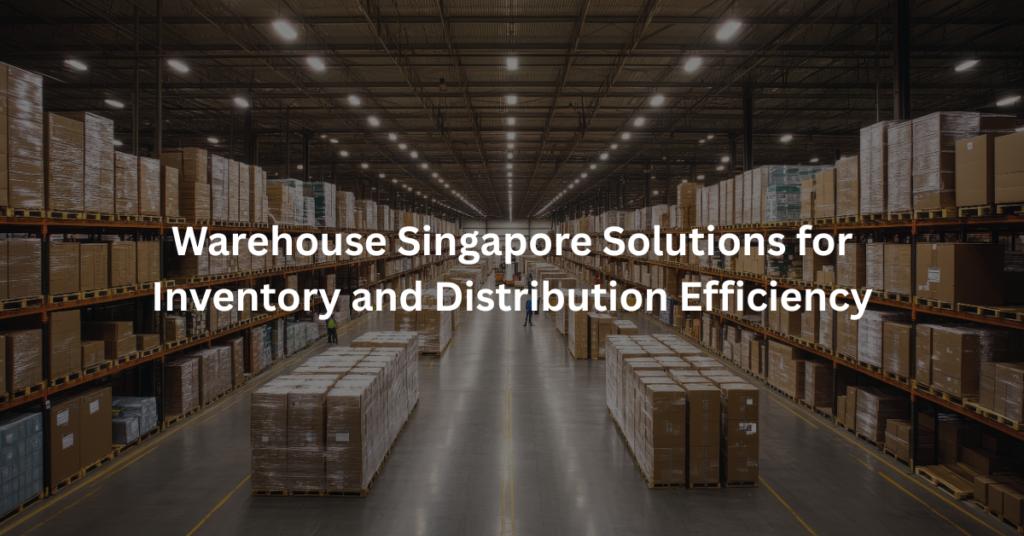
Warehouse Singapore Solutions for Inventory and Distribution Efficiency As supply chains continue to grow more complex, businesses are placing greater importance on inventory management, cargo coordination, and distribution efficiency. In Singapore, where international trade and regional logistics play a major economic role, warehousing has become a strategic operational function rather than simply a storage solution. Modern businesses require professional warehousing services Singapore providers that can support efficient inventory movement, secure cargo handling, and seamless distribution planning. Whether supporting industrial operations, retail distribution, construction projects, or imported cargo, reliable warehouse management helps businesses maintain operational stability while improving supply chain performance. At Jaberson Technology, warehousing operations are designed to support efficient inventory flow and integrated logistics coordination across various industries. Why Warehousing Matters in Today’s Supply Chains Inventory is one of the most valuable operational assets for many businesses. Poor inventory coordination can result in delayed deliveries, excess stock holding costs, and inefficient cargo movement. Professional warehouse Singapore solutions help businesses: Improve inventory organisation Support timely distribution Reduce cargo handling disruptions Enhance supply chain visibility Maintain operational flexibility As customer expectations and market demands continue to evolve, efficient warehousing becomes increasingly important for maintaining smooth operations. Singapore’s Strength as a Logistics and Warehousing Hub Singapore’s strategic location has positioned it as one of the world’s leading logistics gateways. According to the Singapore Economic Development Board, Singapore continues to invest heavily in supply chain innovation and logistics infrastructure to strengthen its role as a regional distribution hub. Its advanced transportation ecosystem allows goods to move efficiently between: Seaports Airports Industrial parks Commercial distribution centers This connectivity makes professional warehousing services Singapore especially valuable for businesses involved in international trade and regional distribution. The Role of Warehousing in Distribution Management Modern warehouses now function as operational hubs that support inventory distribution across multiple supply chain stages. Rather than simply storing cargo, warehouse facilities help businesses manage: Cargo receiving and unloading Inventory sorting and staging Distribution scheduling Cargo consolidation Shipment preparation These integrated warehousing functions improve logistics coordination while reducing unnecessary transportation delays. For businesses handling large inventory volumes, organised warehouse systems help maintain efficient cargo movement throughout the supply chain. Warehouse Singapore Solutions for Industrial and Commercial Cargo Different industries have different warehousing requirements. Industrial sectors often require storage for: Heavy machinery Mechanical systems Electrical equipment Project cargo and oversized materials Commercial businesses may require: Inventory staging Retail product storage Regional distribution coordination Professional warehouse Singapore providers help businesses manage these operational needs while ensuring cargo remains secure and accessible. At Jaberson Technology, warehousing services are designed to support both industrial and commercial logistics requirements through coordinated cargo management strategies. Inventory Visibility and Operational Control One of the key benefits of modern warehousing is improved inventory visibility. Businesses today need accurate inventory tracking to: Reduce stock discrepancies Improve inventory planning Respond faster to customer demand Maintain better operational control Advanced warehouse management processes help improve inventory accuracy and reduce operational inefficiencies. Professional warehousing services Singapore support businesses by providing structured inventory handling procedures that improve supply chain coordination. Secure Cargo Handling and Storage Cargo protection remains one of the most important priorities in warehouse operations. Improper storage conditions or handling practices can result in: Product damage Inventory loss Delayed project schedules Increased logistics costs Reliable warehouse operations include: Proper cargo organisation Controlled loading and unloading procedures Safe handling of heavy or sensitive equipment Secure storage environments International logistics practices supported by the World Customs Organization help establish global standards for cargo handling and trade efficiency. By following recognised logistics procedures, warehouse operators can maintain higher levels of reliability and operational safety. Flexible Warehousing Services Singapore Businesses Need Modern businesses require flexibility within their logistics operations. Some companies need long-term inventory storage, while others require temporary warehousing support for project cargo or imported goods awaiting deployment. Flexible warehousing solutions allow businesses to: Scale storage space based on demand Reduce operational overhead Improve cargo accessibility Adapt to changing supply chain conditions This flexibility is particularly important in industries where project timelines or inventory levels may fluctuate regularly. Integrated Logistics Support Through Warehousing Warehousing functions most effectively when connected with broader logistics operations. Professional warehouse providers often support: Freight forwarding coordination Transportation scheduling Cargo staging and consolidation Distribution planning Import and export logistics support This integrated logistics structure improves supply chain efficiency while helping businesses reduce unnecessary cargo movement. Jaberson Technology integrates warehouse operations with transportation and logistics planning to provide smoother cargo coordination from storage to final delivery. The Future of Warehouse Singapore Operations As supply chains continue evolving, warehousing operations are expected to become increasingly technology-driven and efficiency-focused. Future developments within warehousing services Singapore may include: Smarter inventory tracking systems Automated warehouse handling technologies Faster cargo turnaround processes Improved sustainability initiatives Enhanced logistics visibility Singapore’s continued investment in logistics infrastructure ensures that warehousing will remain a critical component of regional and international trade operations. Conclusion Warehousing has evolved into a strategic logistics function that supports inventory management, cargo coordination, and distribution efficiency. Professional warehousing services Singapore help businesses improve operational control while supporting smoother and more responsive supply chains. With reliable cargo handling, integrated logistics planning, and flexible storage capabilities, modern warehouse Singapore solutions continue to play an essential role in supporting industrial, commercial, and international trade operations. Through structured warehousing expertise and coordinated logistics support, Jaberson Technology helps businesses maintain efficient and dependable supply chain performance.
Warehouse Singapore Solutions for Industrial and Project Cargo Management
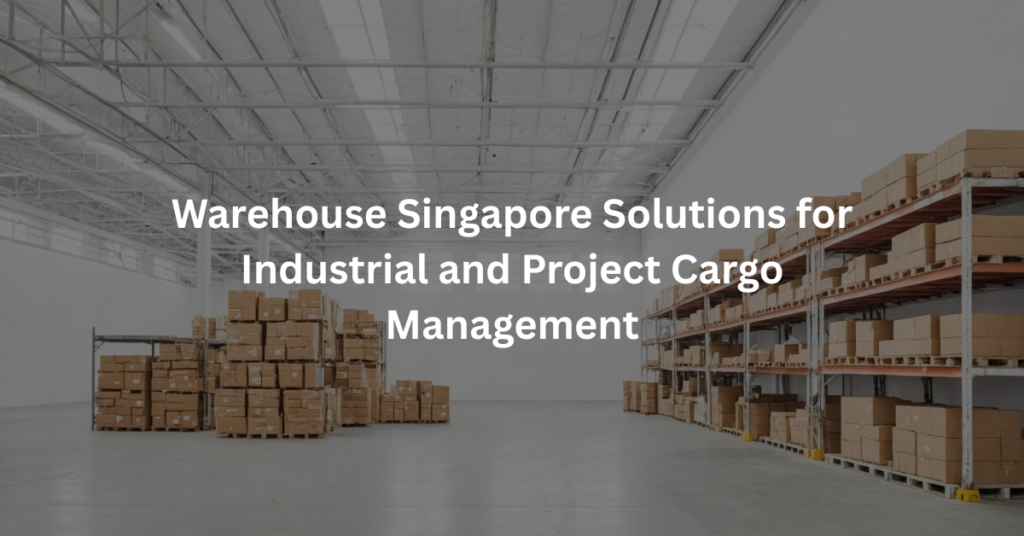
Warehouse Singapore Solutions for Industrial and Project Cargo Management Singapore has established itself as one of Asia’s leading logistics and supply chain hubs, supporting industries ranging from manufacturing and construction to technology and international trade. As businesses continue to expand regionally and globally, efficient warehousing has become an essential component of smooth supply chain operations. Today, companies require more than simple storage space. They need reliable warehousing services Singapore providers that can support inventory coordination, cargo handling, transportation planning, and operational flexibility. For industries managing industrial machinery, project cargo, construction materials, or imported equipment, professional warehouse support helps ensure goods are stored securely and delivered efficiently. At Jaberson Technology, warehouse operations are designed to support businesses through integrated logistics planning and dependable cargo management solutions. Why Warehousing Plays a Critical Role in Modern Logistics Warehousing is one of the most important links within the supply chain. Without proper storage and cargo coordination, businesses may face inventory shortages, delayed deliveries, or operational disruptions. Professional warehouse Singapore operations help businesses: Maintain organised inventory systems Improve cargo accessibility Reduce supply chain delays Support efficient distribution planning Manage imported and exported cargo more effectively As logistics operations become increasingly complex, businesses rely on warehousing providers to maintain smooth cargo flow between suppliers, ports, and project sites. Singapore’s Advantage as a Regional Warehousing Hub Singapore’s strategic location allows businesses to connect quickly with regional and international markets. According to the Singapore Economic Development Board, Singapore continues to strengthen its logistics ecosystem through investments in infrastructure, digitalisation, and supply chain innovation. This strong logistics environment supports industries requiring: Regional distribution capabilities Fast cargo turnaround Efficient import and export coordination Secure inventory management As a result, demand for professional warehousing services Singapore continues to grow across multiple industries. Warehouse Singapore Services for Industrial Cargo Industrial sectors often require specialised storage solutions due to the size, weight, and handling requirements of their cargo. Examples of industrial cargo commonly managed through warehouse operations include: Plant equipment Mechanical systems Electrical equipment Construction materials Project cargo and oversized machinery These cargo types may require temporary staging before final transportation to industrial sites or construction projects. Professional warehouse operations help ensure these items remain secure, organised, and ready for deployment according to project timelines. At Jaberson Technology, warehouse operations are integrated with broader logistics coordination to support seamless cargo movement. Secure Storage and Cargo Handling Safety and cargo protection are essential components of modern warehousing. Improper handling or storage conditions can lead to: Cargo damage Inventory loss Delayed project schedules Increased operational costs Professional warehouse Singapore providers implement structured handling procedures to ensure goods are stored securely and managed efficiently. This includes: Proper cargo stacking and organisation Controlled loading and unloading procedures Inventory monitoring systems Safe handling of heavy equipment and machinery International logistics standards supported by the World Customs Organization help guide global cargo handling and trade compliance practices. By following recognised logistics procedures, warehouse operators can maintain higher levels of operational reliability and cargo protection. Supporting Project Logistics Through Warehousing Warehousing is especially important in project logistics environments where equipment and materials must arrive according to strict project schedules. Large-scale projects often involve multiple phases of cargo movement, including: Import coordination Temporary storage Cargo consolidation Scheduled deployment to project sites For example, construction and industrial projects may require machinery and equipment to remain in storage until site conditions are ready for installation. Professional warehousing services Singapore help businesses manage these timelines more efficiently while reducing congestion at project sites. Jaberson Technology supports project logistics operations by integrating warehouse management with transportation and cargo coordination services. Flexible Warehousing Solutions for Businesses Every business has different storage and logistics requirements. Some companies may require long-term inventory storage, while others need temporary staging for imported cargo or project equipment. Flexible warehouse solutions allow businesses to: Scale storage space according to operational demand Improve inventory accessibility Reduce fixed operational overhead Adapt quickly to changing market conditions This flexibility is particularly important for industries dealing with fluctuating inventory volumes or project-based cargo movements. Technology and Inventory Visibility Modern warehousing increasingly relies on digital systems to improve operational efficiency. Inventory visibility helps businesses: Track cargo movements more accurately Improve stock management Reduce inventory errors Coordinate faster cargo deployment Professional warehouse Singapore operations use organised inventory processes to help clients maintain better supply chain control. These improvements contribute to smoother logistics operations and better customer responsiveness. Integrated Logistics Support Through Warehousing Warehousing functions most effectively when connected to broader logistics operations. Professional warehousing providers often support: Freight forwarding coordination Distribution planning Cargo staging and consolidation Transportation scheduling Import and export logistics support This integrated approach allows businesses to reduce unnecessary cargo movement and improve operational efficiency. At Jaberson Technology, warehousing services are designed to complement end-to-end logistics planning, ensuring smooth cargo coordination from storage to final delivery. Conclusion As supply chains continue to evolve, warehousing has become a critical component of efficient logistics management. Professional warehousing services Singapore help businesses improve inventory control, support industrial operations, and maintain smooth cargo movement across local and international markets. With strategic infrastructure, secure cargo handling, and integrated logistics coordination, reliable warehouse Singapore solutions play an essential role in supporting modern business operations. Through structured warehousing and logistics expertise, Jaberson Technology helps businesses manage cargo efficiently while supporting long-term operational success.
Warehouse Singapore Solutions: Supporting Smarter and Faster Supply Chains
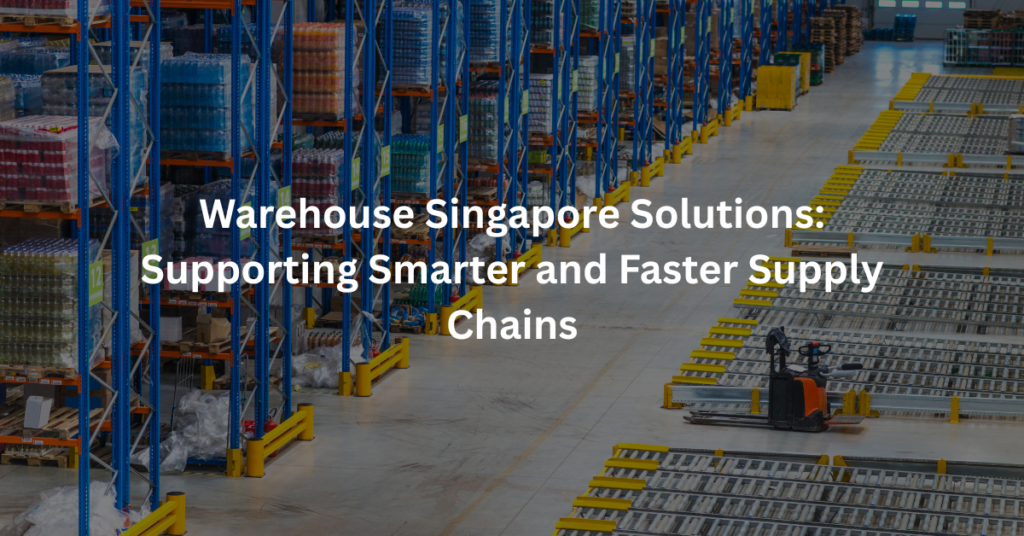
Warehouse Singapore Solutions: Supporting Smarter and Faster Supply Chains As businesses continue to expand across regional and global markets, warehousing has become one of the most important pillars of modern logistics operations. In Singapore, where international trade, manufacturing, and distribution activities are highly active, efficient warehouse management plays a vital role in maintaining smooth supply chains. Today, businesses require more than just storage space. They need integrated warehousing services Singapore providers that can support inventory control, cargo coordination, transportation planning, and operational flexibility. From industrial equipment and construction materials to retail products and project cargo, modern warehousing supports a wide range of industries operating within Singapore’s fast-moving economy. At Jaberson Technology, warehousing operations are designed to support efficient cargo management while integrating seamlessly with broader logistics solutions. Why Singapore Is a Strategic Warehousing Hub Singapore has established itself as one of the world’s leading logistics and supply chain centers due to its strategic geographic location and advanced infrastructure. According to the Singapore Economic Development Board, Singapore continues to strengthen its position as a global trade and logistics hub through continuous investment in infrastructure and supply chain innovation. The country’s connectivity allows goods to move efficiently between: International ports Airports Industrial zones Regional distribution markets This makes warehouse Singapore operations especially valuable for businesses managing regional inventory and international trade activities. The Growing Importance of Warehousing Services Singapore Modern supply chains are becoming increasingly complex. Businesses today face growing expectations for faster delivery, accurate inventory management, and flexible logistics support. Professional warehousing services Singapore help companies address these challenges by offering: Secure inventory storage Cargo handling and staging Distribution coordination Inventory visibility Support for import and export operations Instead of functioning only as storage facilities, warehouses now operate as active logistics centers that support supply chain efficiency. Inventory Management and Storage Efficiency One of the key advantages of professional warehousing is improved inventory management. Businesses that manage large volumes of inventory require accurate stock tracking to reduce operational inefficiencies. Advanced warehouse systems help companies: Monitor stock movement Reduce misplaced inventory Improve order preparation Maintain better inventory accuracy Professional warehouse Singapore providers implement structured inventory processes to help businesses optimise storage utilisation and cargo accessibility. This is especially important for companies managing industrial equipment, project materials, or time-sensitive inventory. Warehousing Support for Industrial and Project Cargo Warehousing services are particularly important for industrial and project-based logistics operations. Certain cargo types cannot be delivered directly to project sites immediately after arrival. Instead, they may require temporary storage, cargo consolidation, or scheduling coordination. Examples of cargo commonly managed through warehouse operations include: Plant and industrial equipment Construction materials Mechanical systems Electrical components Oversized machinery and project cargo Professional warehousing services Singapore ensure these items are stored securely while remaining ready for deployment according to project schedules. At Jaberson Technology, warehouse operations are integrated with transportation planning and logistics coordination to support smooth cargo movement from storage to final delivery. Strategic Warehouse Location Advantages Warehouse location is a major factor in logistics efficiency. Singapore’s transportation infrastructure allows warehouse facilities to connect efficiently with: Port terminals Industrial parks Commercial districts Regional distribution networks Infrastructure planning supported by JTC Corporation continues to strengthen Singapore’s industrial and logistics ecosystem, supporting modern warehousing growth. Strategically located warehouse facilities reduce transportation time and improve cargo accessibility for businesses operating within Singapore and the wider Asia-Pacific region. Cargo Safety and Operational Reliability Cargo protection is a major priority within warehouse management. Improper storage conditions or handling errors can lead to: Cargo damage Inventory loss Operational delays Supply chain disruptions Professional warehouse teams implement structured safety and handling procedures to minimise these risks. International logistics standards supported by the World Customs Organization help guide efficient and secure cargo management across global trade networks. These standards support better operational reliability and compliance within warehouse operations. Integrated Logistics Solutions Through Warehousing Warehousing functions most effectively when integrated into broader logistics operations. Modern warehousing services Singapore often work together with: Freight forwarding services Transportation coordination Cargo consolidation Project logistics planning Distribution management This integrated logistics approach improves supply chain visibility while reducing unnecessary cargo movement and operational delays. Jaberson Technology provides warehouse support as part of a coordinated logistics framework designed to improve operational efficiency for businesses across multiple industries. Why Businesses Choose Professional Warehouse Singapore Providers Businesses increasingly rely on third-party warehouse providers because they offer: Flexible storage capabilities Lower operational overhead Better cargo handling expertise Improved logistics coordination Scalable inventory management Outsourcing warehouse operations allows businesses to focus on their core activities while logistics specialists manage inventory and cargo operations professionally. Professional warehouse Singapore providers also help businesses adapt more easily to changes in market demand and supply chain conditions. The Future of Warehousing in Singapore The warehousing industry continues to evolve alongside advancements in logistics technology and global trade requirements. Future warehouse operations are expected to focus increasingly on: Digital inventory systems Smarter cargo tracking Automated handling technologies Sustainable warehouse operations Faster inventory turnaround As Singapore continues to strengthen its role as a global logistics hub, the demand for advanced warehousing services Singapore will continue to grow. Businesses that invest in efficient warehouse operations will be better positioned to maintain resilient and responsive supply chains. Conclusion Warehousing is no longer just about storing goods—it is a critical component of modern logistics strategy. Professional warehousing services Singapore help businesses improve inventory management, optimise cargo handling, and maintain efficient supply chain operations. Through integrated logistics planning, secure storage capabilities, and operational expertise, Jaberson Technology provides reliable warehouse Singapore solutions designed to support businesses in today’s fast-changing trade environment.
Warehouse Services Singapore: Improving Efficiency in Modern Supply Chains
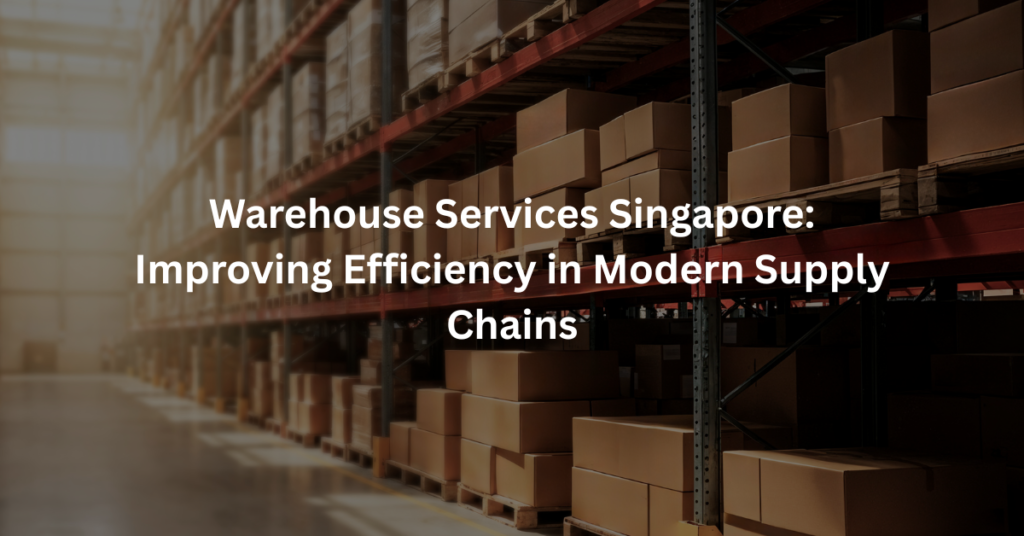
Warehouse Services Singapore: Improving Efficiency in Modern Supply Chains As global trade continues to evolve, businesses are under increasing pressure to improve supply chain efficiency, reduce operational costs, and maintain reliable inventory management. In Singapore, where international trade and logistics play a major role in the economy, warehousing has become far more than just a storage function. Today, professional warehouse services Singapore providers support businesses through integrated logistics operations that help improve cargo flow, inventory visibility, and distribution efficiency. Whether supporting industrial equipment, retail goods, project cargo, or imported materials, modern warehouse operations are essential for ensuring that products move efficiently across local and international supply chains. At Jaberson Technology, warehousing solutions are designed to support operational flexibility while integrating seamlessly with transportation and logistics planning. Why Warehouse Services Matter in Singapore Singapore is widely recognised as one of the world’s leading logistics and trade hubs. Its strategic location allows businesses to connect efficiently with markets across Asia and the rest of the world. According to the Singapore Economic Development Board, Singapore continues to strengthen its logistics and supply chain ecosystem through infrastructure investments and digital transformation initiatives. As trade volumes increase, businesses require professional warehouse services Singapore to help manage inventory efficiently while supporting fast and reliable cargo movement. Warehousing is especially important for companies dealing with: Imported goods and distribution Industrial equipment and machinery Construction materials Manufacturing components Project cargo and oversized equipment Without proper warehouse planning, businesses may face inventory delays, congestion issues, or inefficient cargo handling processes. The Expanding Role of Modern Warehousing Warehousing has evolved significantly in recent years. Instead of functioning purely as storage facilities, warehouses now operate as active logistics centers that support multiple stages of the supply chain. Modern warehouse services Singapore commonly include: Cargo receiving and unloading Inventory storage and organisation Cargo consolidation and distribution Packing and palletising Coordination with transportation and freight services These integrated logistics processes help businesses maintain better control over their operations. Inventory Management and Operational Visibility One of the most important functions of modern warehousing is inventory management. Businesses today require accurate stock visibility to: Reduce inventory shortages Prevent overstocking Improve delivery planning Respond quickly to customer demand Advanced warehouse systems allow cargo movements and stock levels to be monitored more efficiently. Professional warehouse services Singapore providers help businesses improve inventory accuracy while supporting smoother operational workflows. Strategic Warehouse Location Advantages Singapore’s logistics infrastructure is designed to support efficient cargo movement between ports, industrial zones, airports, and commercial districts. Warehouse facilities located near transportation hubs help reduce delivery time and improve cargo accessibility. Infrastructure developments led by JTC Corporation continue to strengthen Singapore’s industrial and logistics ecosystem, supporting the growth of modern warehousing and supply chain operations. By strategically positioning warehouse facilities near key transport routes, logistics providers can support faster cargo distribution across regional and international markets. Warehouse Services Supporting Project and Industrial Cargo Warehousing is especially important for industrial and project-based logistics operations. Certain cargo types require temporary staging, secure storage, or specialised handling before final delivery to project sites. Examples include: Plant equipment Electrical systems Construction machinery Oversized industrial components Mechanical and engineering equipment Professional warehouse operations ensure these cargoes are handled safely while remaining ready for deployment according to project timelines. At Jaberson Technology, warehouse operations are integrated with broader logistics planning to support smooth cargo coordination from storage to final delivery. Cargo Safety and Handling Standards Cargo safety is a major priority within warehouse operations, particularly for sensitive or high-value goods. Warehouse teams must follow structured handling procedures to minimise risks associated with: Improper stacking Environmental exposure Equipment handling damage Inventory mismanagement International trade and logistics standards supported by the World Customs Organization help promote efficient and secure cargo handling across global supply chains. By following internationally recognised logistics procedures, warehouse providers help businesses maintain compliance and operational reliability. Integrated Logistics Solutions Through Warehousing Modern warehousing works most effectively when integrated with transportation and logistics planning. Rather than operating independently, warehouse services now support: Freight forwarding coordination Distribution scheduling Cargo consolidation Project logistics preparation Import and export operations This integrated approach improves operational efficiency while reducing unnecessary cargo handling and delays. Professional warehouse services Singapore providers play an important role in connecting multiple logistics functions into a unified supply chain solution. Why Businesses Choose Professional Warehouse Services Singapore Businesses increasingly outsource warehouse operations because professional providers offer: Better operational scalability Reduced overhead costs Improved inventory management Enhanced cargo handling expertise Stronger logistics coordination This allows companies to focus on their core business operations while logistics specialists manage warehousing and cargo movement requirements. Jaberson Technology supports businesses through customised warehousing strategies designed to align with operational and project-specific needs. The Future of Warehouse Services in Singapore As global supply chains continue to evolve, warehousing will remain a critical component of logistics operations. Future warehouse developments are expected to focus on: Automation and digital tracking systems Smarter inventory forecasting Sustainable warehouse operations Faster distribution and cargo turnaround Singapore’s continued investment in logistics infrastructure ensures that warehouse services will continue to play a central role in supporting international trade and regional supply chains. Conclusion Efficient warehousing is no longer just about storing cargo—it is about improving supply chain performance, inventory control, and operational flexibility. Professional warehouse services Singapore help businesses manage goods more efficiently while supporting faster and more reliable logistics operations. Through integrated logistics planning, secure cargo handling, and strategic warehouse coordination, Jaberson Technology provides warehousing solutions designed to support modern business and industrial requirements in Singapore’s fast-moving trade environment.
Warehouse Services Singapore in 2026: Supporting the Future of Modern Logistics
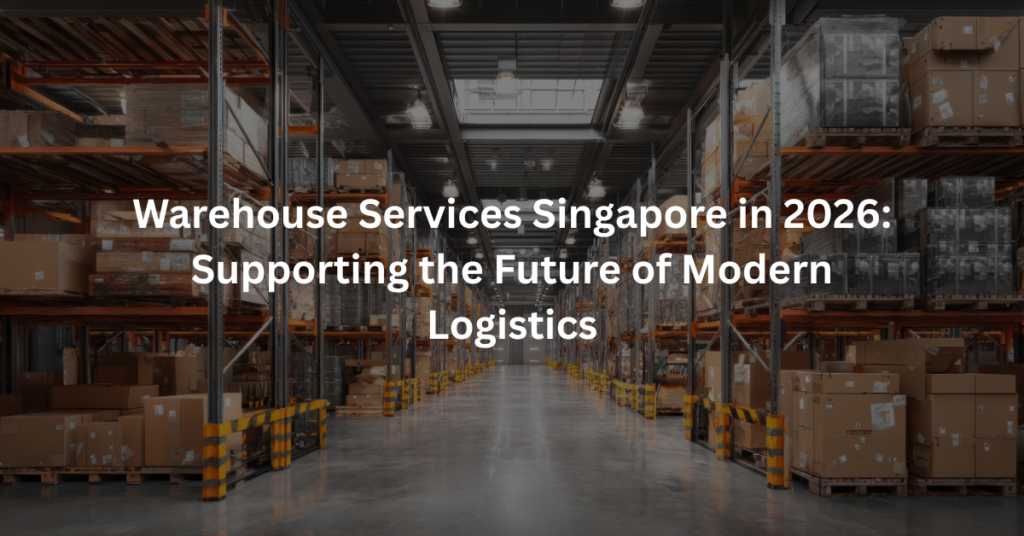
Warehouse Services Singapore in 2026: Supporting the Future of Modern Logistics As global supply chains continue to evolve, efficient warehousing has become one of the most critical components of modern logistics operations. In a highly connected trade hub like Singapore, companies rely on reliable storage facilities to manage inventory, streamline distribution, and maintain smooth operations across international markets. In 2026, warehousing is no longer just about storing goods. Businesses now require integrated logistics systems that combine storage, inventory management, transportation coordination, and supply chain visibility. This is where professional warehouse services Singapore providers play an important role. With advanced infrastructure, strategic location advantages, and modern logistics technologies, Singapore’s warehousing sector continues to support global trade and regional distribution networks. Companies such as Jaberson Technology provide specialised warehouse solutions designed to help businesses manage cargo efficiently while supporting long-term supply chain growth. Singapore: A Strategic Global Logistics Hub Singapore has long been recognised as one of the world’s most efficient logistics and trade centers. The country’s strategic location at the crossroads of global shipping routes makes it a preferred gateway for international commerce. According to the Singapore Economic Development Board, Singapore continues to invest heavily in logistics infrastructure to strengthen its position as a leading global supply chain hub. With advanced port facilities, world-class transportation networks, and a strong regulatory environment, businesses operating in Singapore benefit from highly efficient logistics systems. However, as trade volumes grow and supply chains become more complex, the demand for professional warehouse services Singapore continues to increase. The Role of Warehousing in Modern Supply Chains Warehousing plays a crucial role in ensuring that goods move efficiently from manufacturers to customers. A well-managed warehouse supports multiple logistics functions including: Inventory storage and management Cargo consolidation and distribution Cross-border trade support Supply chain buffering during demand fluctuations In 2026, businesses increasingly rely on integrated warehouse services to maintain operational flexibility. Instead of simply storing goods, modern warehouses act as logistics hubs that connect multiple stages of the supply chain. Through structured warehouse services Singapore, businesses can optimise inventory management while maintaining quick access to regional markets. Key Features of Modern Warehouse Services in 2026 The warehousing industry has evolved significantly over the past decade, adopting new technologies and operational strategies. Here are some key features shaping warehouse services in Singapore today. Smart Inventory Management Digital inventory tracking systems now allow businesses to monitor stock levels in real time. Advanced warehouse management systems help companies: Track inventory movements Improve order accuracy Reduce stock shortages Optimize storage space These digital solutions improve operational efficiency while giving businesses greater visibility across their supply chains. Flexible Storage Solutions Modern logistics requires flexible storage capabilities that can adapt to changing business needs. Professional warehouse services Singapore providers offer scalable storage options that allow companies to expand or reduce storage capacity depending on demand. This flexibility is particularly important for industries experiencing seasonal fluctuations or rapid growth. Strategic Warehouse Locations Singapore’s position as a regional logistics hub means warehouses are often located near major transportation infrastructure such as ports, highways, and industrial zones. This strategic positioning allows goods to move quickly between warehouses, distribution centers, and shipping terminals. Organizations like the JTC Corporation play an important role in developing Singapore’s logistics and industrial infrastructure, ensuring that warehouses are located in areas that support efficient trade operations. Integration with Freight and Distribution In modern logistics, warehousing is closely integrated with transportation and freight forwarding services. Rather than operating as standalone facilities, warehouses function as central nodes connecting multiple logistics activities such as: Cargo consolidation Distribution management Last-mile delivery coordination These integrated logistics solutions help reduce handling time and improve overall supply chain efficiency. Why Businesses Choose Warehouse Services Singapore Companies operating in international markets often face challenges in managing inventory across multiple locations. Using professional warehouse services Singapore offers several advantages. Improved Supply Chain Efficiency Centralised warehousing allows businesses to streamline inventory management while maintaining fast access to regional markets. Reduced Operational Costs By outsourcing storage and logistics operations, companies can avoid the high costs associated with managing their own warehouses. Better Risk Management Professional warehouse providers implement strict safety and compliance procedures to protect stored cargo. International logistics practices are guided by organisations such as the World Customs Organization, which promotes efficient and secure trade operations across global supply chains. These frameworks help ensure that goods stored in warehouses remain compliant with international trade regulations. Jaberson Technology’s Approach to Warehouse Services Jaberson Technology provides structured warehouse services Singapore designed to support diverse business needs. Their warehousing capabilities include: Secure cargo storage Inventory handling and management Cargo consolidation for distribution Coordination with transportation and freight services Logistics planning for project-based cargo By integrating warehouse operations with broader logistics planning, Jaberson Technology helps businesses maintain smooth and efficient supply chain operations. The Future of Warehousing in Singapore As global trade continues to expand and supply chains become more interconnected, the role of warehousing will continue to grow. In 2026 and beyond, warehouse facilities are expected to adopt even more advanced technologies, including automation, robotics, and predictive inventory systems. These innovations will allow logistics providers to deliver faster, more accurate, and more efficient services. For businesses operating in international markets, partnering with reliable warehouse services Singapore providers will be essential to maintaining competitive and resilient supply chains. Conclusion Warehousing has evolved into a critical component of modern logistics, supporting everything from global trade to regional distribution networks. In a major logistics hub like Singapore, professional warehouse services Singapore help businesses manage inventory efficiently while supporting flexible supply chain operations. Through modern infrastructure, advanced technology, and integrated logistics planning, companies like Jaberson Technology provide the warehousing solutions needed to support the future of global commerce.
Project Logistics for Construction Projects in Singapore: Driving Infrastructure Development

Project Logistics for Construction Projects in Singapore: Driving Infrastructure Development Singapore is globally recognised for its advanced infrastructure, modern skyline, and efficient urban planning. From large hospitals and commercial buildings to underground transport systems, construction projects across the country require precise coordination and advanced logistics planning. Behind every successful construction project lies a complex logistics network responsible for transporting heavy equipment, building components, and specialized machinery. These operations require more than standard transportation—they demand structured project logistics and specialised logistics solutions designed for large-scale developments. With years of experience supporting the construction sector, Jaberson Technology has delivered logistics project management services for a wide variety of developments across Singapore, including hospital construction, shopping malls, residential buildings, commercial complexes, and underground tunnel projects. Why Construction Projects Require Advanced Project Logistics Construction projects involve numerous stakeholders, tight schedules, and highly coordinated supply chains. Equipment and building materials must arrive on-site at the right time and in the correct sequence to avoid delays. This is particularly important for modern construction methods such as Design for Manufacturing and Assembly (DfMA), which rely on prefabricated building components delivered to the construction site for rapid assembly. According to the Building and Construction Authority, Singapore has been actively promoting DfMA and other advanced construction technologies to improve productivity and efficiency within the construction industry. Because these prefabricated components are often large and heavy, moving them safely requires professional project logistics planning and engineered logistics solutions. Types of Construction Projects Supported by Project Logistics The construction industry covers a wide range of infrastructure developments, each with unique logistics requirements. Hospital Construction Healthcare facilities are among the most complex construction projects due to the specialized medical equipment and strict installation requirements involved. Logistics teams must coordinate the transport of sensitive systems such as generators, electrical equipment, and ventilation systems. Proper project logistics management ensures these components are delivered safely and ready for installation. Shopping Mall Construction Large retail developments require extensive mechanical and electrical infrastructure to support lighting, cooling, elevators, and safety systems. Transporting equipment such as chillers, electrical panels, and power systems requires careful coordination to ensure materials arrive according to the project’s construction schedule. Tailored logistics solutions help streamline the movement of these heavy components from ports or warehouses to the construction site. Residential and Commercial Building Projects High-rise residential and commercial developments rely on numerous construction materials and systems, including backup power generators, building modules, and mechanical equipment. Examples of cargo frequently handled in these projects include: GenSets (Generator Sets) UPS systems (Uninterruptible Power Supply) Plant equipment and mechanical systems Prefabricated DfMA building modules These items are often oversized and require specialised lifting and transportation methods. Professional project logistics teams carefully plan these movements to ensure equipment arrives safely and on time. Underground Tunnel Construction Underground infrastructure projects, such as tunnels for transportation networks or utilities, present unique logistical challenges. Transporting tunneling machinery and support equipment often requires specialised vehicles and carefully planned routes. Organizations like the Land Transport Authority oversee many of Singapore’s major underground infrastructure developments, including rail and transport projects. Supporting these projects requires reliable logistics solutions capable of managing complex site conditions and restricted access areas. Challenges in Construction Project Logistics Managing logistics for construction projects involves several key challenges that require expertise and careful planning. 1. Transporting Oversized Equipment Many construction machines and prefabricated modules are extremely large and heavy. Transporting them safely often requires: Low-bed trailers or specialised transport vehicles Route surveys to ensure safe road access Escort vehicles for oversized cargo These engineering-based project logistics strategies help ensure smooth cargo transportation. 2. Coordinating Delivery Schedules Construction projects rely heavily on coordinated timelines. If materials arrive too early, they may require costly storage. If they arrive too late, project schedules may be delayed. Professional logistics solutions ensure that deliveries align precisely with construction milestones. 3. Handling High-Value Equipment Equipment such as generators, UPS systems, and plant machinery can be extremely valuable and sensitive. Proper handling procedures must be followed to prevent damage during loading, transport, and unloading. Logistics teams must also ensure compliance with international shipping procedures supported by organizations like the World Customs Organization, which standardizes customs processes for global trade. End-to-End Logistics Solutions for Construction Projects Supporting construction developments requires a complete logistics strategy that integrates multiple operational stages. Jaberson Technology provides comprehensive logistics solutions designed to support complex construction logistics requirements. These services include: Import clearance and port handling Secure warehousing and cargo staging Transport planning for heavy equipment Escort trucking for oversized cargo On-site delivery and equipment positioning By managing these processes under a unified project logistics framework, logistics teams ensure efficient and safe cargo movement. Supporting Singapore’s Infrastructure Growth Singapore continues to invest heavily in infrastructure, urban development, and construction innovation. Each new project—from residential developments to major transportation infrastructure—depends on reliable logistics systems to deliver equipment and materials safely. Through structured project logistics and customised logistics solutions, Jaberson Technology helps construction companies overcome logistical challenges and maintain project timelines. Conclusion Construction projects are among the most logistics-intensive industries, requiring the safe transportation of heavy equipment, prefabricated modules, and complex mechanical systems. With advanced project logistics planning and specialised logistics solutions, logistics providers play a critical role in supporting Singapore’s ongoing infrastructure development. By delivering equipment efficiently from port clearance to final site positioning, Jaberson Technology ensures that construction projects across Singapore can progress smoothly and successfully.
Project Logistics for the Petrochemical Industry in Singapore: Ensuring Safe and Efficient Operations

Project Logistics for the Petrochemical Industry in Singapore: Ensuring Safe and Efficient Operations Singapore is widely recognized as one of Asia’s leading petrochemical hubs. Located at the crossroads of major global trade routes, the country has developed a highly advanced petrochemical ecosystem that supports energy production, industrial manufacturing, and chemical processing. According to the Singapore Economic Development Board, the petrochemical industry contributes over 20% of Singapore’s total manufacturing output, making it one of the most important sectors in the nation’s economy. Today, Singapore is home to around 100 petrochemical companies, many of which operate large-scale facilities with multi-billion-dollar investments. These plants require sophisticated infrastructure and specialized equipment to maintain efficient operations. Behind the development and maintenance of these facilities lies a complex logistical challenge. Transporting large industrial machinery, handling plant shutdown maintenance, and coordinating equipment installation require highly structured project logistics and tailored logistics solutions. With extensive experience supporting petrochemical companies, Jaberson Technology provides specialised logistics project management services designed to meet the demanding requirements of this industry. Why the Petrochemical Industry Requires Specialised Project Logistics Petrochemical facilities are among the most complex industrial environments in the world. Their operations depend on large-scale equipment such as reactors, compressors, heat exchangers, and electrical systems that must be installed and maintained with precision. Transporting these assets is not a standard logistics task. Instead, it requires carefully engineered project logistics planning to ensure safe handling and timely delivery. Many of the cargoes involved are: Extremely heavy or oversized Highly sensitive to handling conditions Critical to plant operations Located within restricted industrial zones Without structured logistics solutions, the risks of operational delays, equipment damage, or safety incidents can increase significantly. Singapore: A Global Petrochemical Hub Singapore’s petrochemical industry is centered primarily on Jurong Island, a world-class integrated energy and chemicals hub. Managed and developed by JTC Corporation, Jurong Island houses numerous multinational petrochemical companies operating refineries, chemical plants, and specialty chemical facilities. These plants rely on sophisticated supply chains to transport industrial components and maintain production systems. In addition, regulatory frameworks managed by the National Environment Agency ensure that industrial activities follow strict environmental and safety standards. Because of these regulatory and operational complexities, petrochemical logistics requires experienced providers capable of delivering safe and compliant project logistics services. Key Challenges in Petrochemical Project Logistics Handling logistics for data centre construction presents unique challenges that require experience and technical expertise. 1. Transporting Heavy Process Equipment Petrochemical plants depend on large industrial components such as reactors, pumps, and heat exchangers. These machines often weigh several tonnes and require specialized transport equipment to move safely. Project logistics teams must carefully plan: Equipment lifting methods Transport vehicle selection Safe cargo securing techniques Through engineered logistics solutions, heavy process equipment can be transported safely without risking structural damage. 2. Shutdown Maintenance Logistics Petrochemical plants periodically conduct shutdown maintenance, during which production is temporarily halted to repair or replace critical machinery. During these shutdown periods, time is extremely limited. Any delays in logistics could extend the shutdown duration and impact production output. Jaberson Technology supports shutdown maintenance projects by coordinating: Equipment lifting and removal Machinery replacement logistics Timely transportation of new components Efficient project logistics management ensures that plant maintenance activities can proceed smoothly and within strict timelines. 3. Rigging Planning for Industrial Components Another critical aspect of petrochemical logistics is the development of detailed rigging plans. Rigging refers to the use of lifting equipment and rigging gear to move heavy industrial components safely. Before any lifting operation begins, logistics engineers must evaluate: Equipment weight distribution Lifting points and balance Crane capacity requirements Safety clearance zones By developing precise rigging strategies, logistics teams can ensure that machinery is lifted and positioned safely. These engineering-driven approaches are key components of advanced logistics solutions for industrial environments. 4. Managing High-Risk Industrial Environments Petrochemical plants operate in highly controlled environments where safety is a top priority. Logistics operations must follow strict industrial safety standards to prevent accidents and ensure compliance with international guidelines. Global best practices for industrial operations are supported by organizations such as the International Labour Organization, which promotes workplace safety and operational standards worldwide. Experienced project logistics providers understand these safety requirements and integrate them into every stage of the logistics process. Comprehensive Logistics Solutions for Petrochemical Projects Supporting petrochemical infrastructure requires a complete and coordinated logistics strategy. Jaberson Technology provides integrated logistics solutions designed specifically for complex industrial projects. These services include: Heavy machinery transport planning Rigging engineering and lifting coordination Shutdown maintenance logistics support Transport of electrical and mechanical equipment On-site equipment positioning and installation support By managing these processes with precision, logistics providers help ensure that petrochemical facilities can operate safely and efficiently. Supporting Singapore’s Energy and Chemical Infrastructure As global demand for petrochemical products continues to grow, Singapore’s petrochemical sector remains a key contributor to regional and international supply chains. Large-scale facilities require continuous upgrades, maintenance, and expansion projects—all of which depend on reliable logistics operations. Through specialised project logistics and customised logistics solutions, companies like Jaberson Technology play an essential role in supporting the operational success of petrochemical plants. Conclusion The petrochemical industry is one of Singapore’s most important industrial sectors, requiring sophisticated infrastructure and advanced operational capabilities. Handling the logistics for these facilities involves transporting heavy machinery, coordinating shutdown maintenance operations, and ensuring safe equipment installation. With extensive experience in project logistics and industrial logistics solutions, Jaberson Technology supports petrochemical companies in managing complex logistics challenges with precision and reliability. By combining engineering expertise with operational coordination, logistics providers help ensure that petrochemical facilities remain safe, efficient, and ready to meet global energy demands.
Project Logistics for Data Centres in Singapore: Powering the Digital Infrastructure
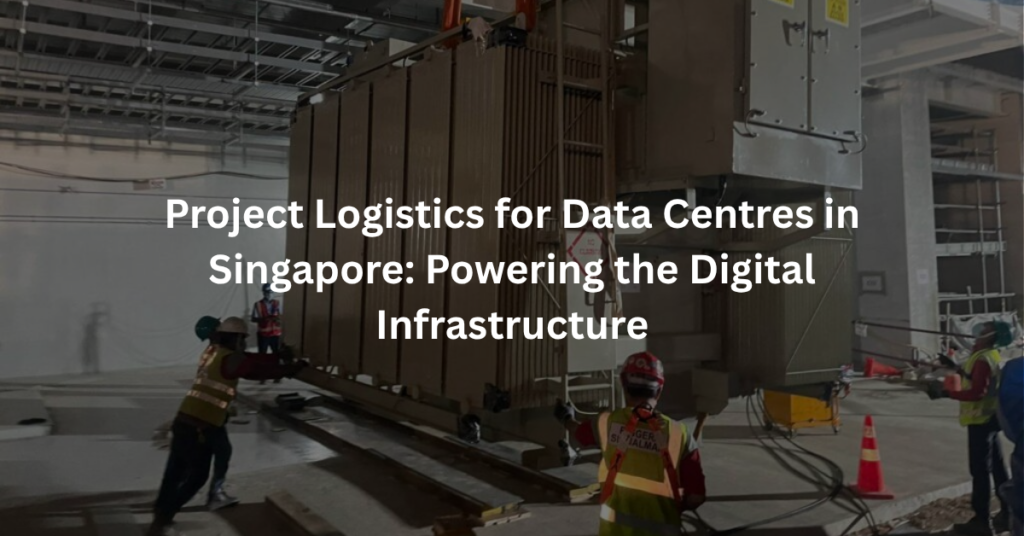
Project Logistics for Data Centres in Singapore: Powering the Digital Infrastructure Singapore has rapidly evolved into one of the most important digital infrastructure hubs in the Asia-Pacific region. With the expansion of cloud computing, artificial intelligence, and global data networks, the demand for advanced data centre facilities continues to grow. According to a report by Colliers, Singapore is the second largest data centre hub in Asia-Pacific after Tokyo, highlighting the country’s strategic importance for global technology companies. Major technology giants such as Google, Amazon, and Meta have already established significant data centre operations in Singapore to support their regional digital services. Behind these high-tech facilities lies a complex network of infrastructure components that must be delivered and installed with precision. This is where specialised project logistics and tailored logistics solutions play a critical role. Companies like Jaberson Technology have been supporting the data centre industry since 2017, delivering logistics project management services designed specifically for technology infrastructure. Why Data Centre Infrastructure Requires Specialised Project Logistics Building a data centre involves far more than constructing a building. It requires the installation of sophisticated equipment designed to support massive computing power and ensure uninterrupted digital operations. These facilities depend on multiple infrastructure systems including: Server racks and IT equipment Power transformers and electrical panels Air conditioning and cooling systems (ACMV equipment) Industrial chillers Backup power systems Transporting and installing this equipment requires highly coordinated project logistics, as these components are often heavy, sensitive, and essential to the facility’s operational reliability. Without structured logistics planning, even minor delays or handling errors could disrupt construction timelines and affect project completion. Singapore’s Strategic Role in the Global Data Economy Singapore’s strong connectivity, political stability, and advanced digital infrastructure make it an ideal location for global data centre investments. Government agencies such as the Infocomm Media Development Authority support the development of Singapore’s digital ecosystem, ensuring the country remains a leading hub for technology innovation. Additionally, Singapore’s world-class port and logistics infrastructure allows seamless importation of critical equipment needed for large-scale data centre construction. However, the complexity of moving high-value technology equipment requires more than traditional transportation services. This is why technology companies rely on specialised logistics solutions that integrate planning, compliance, and operational coordination. Key Logistics Challenges in Data Centre Projects Handling logistics for data centre construction presents unique challenges that require experience and technical expertise. 1. Transporting High-Value and Sensitive Equipment Many data centre components such as servers and electrical systems are extremely sensitive to vibration, moisture, and environmental changes. During transportation, these items must be protected through: Specialised packaging and securing methods Climate-controlled storage when necessary Careful handling during loading and unloading Professional project logistics management ensures that all cargo is transported safely without compromising equipment performance. 2. Handling Heavy Infrastructure Equipment Data centres require large power and cooling systems to maintain stable operations. Equipment such as transformers and chillers can weigh several tonnes and require specialised handling. Moving these components often involves: Heavy-lift cranes Low-bed transport vehicles Route planning for oversized cargo Through engineered logistics solutions, project logistics teams ensure these large components reach the project site safely. 3. Coordinating Port Clearance and Import Documentation Since much of the equipment used in data centre construction is imported, efficient customs clearance is essential. Singapore’s trade procedures follow international frameworks supported by the World Customs Organization, which promotes standardised customs operations globally. Project logistics teams must ensure: Accurate documentation Compliance with import regulations Efficient port clearance processes These procedures help prevent delays that could disrupt project schedules. 4. Escort Trucking and Final Equipment Positioning Transporting oversized or sensitive cargo from port facilities to construction sites often requires escort trucking and careful traffic coordination. Once the cargo arrives at the site, specialised teams handle the final stage of delivery, including: Precision unloading Equipment positioning Coordination with installation teams These final steps are crucial in ensuring that equipment is ready for immediate installation. End-to-End Logistics Solutions for Data Centre Projects Successful data centre construction requires seamless coordination across multiple logistics stages. Jaberson Technology provides comprehensive logistics solutions that support clients throughout the entire project lifecycle. These services include: Port clearance and customs coordination Secure warehousing and staging Heavy cargo transport planning Escort trucking for oversized equipment On-site delivery and positioning By managing these complex processes under a unified strategy, project logistics teams ensure efficiency and reliability across the entire supply chain. Supporting the Future of Digital Infrastructure As demand for cloud computing, artificial intelligence, and global data storage continues to expand, the number of data centre projects in Singapore is expected to increase significantly. Each new facility requires a vast amount of specialised equipment that must be delivered with precision and care. Through advanced project logistics and tailored logistics solutions, logistics providers like Jaberson Technology help technology companies overcome the operational challenges of building high-performance data centres. Conclusion Data centres are the backbone of today’s digital economy, supporting everything from online services to global communications. Behind these facilities lies a complex logistics operation responsible for transporting critical infrastructure equipment safely and efficiently. With extensive experience in project logistics and customised logistics solutions, Jaberson Technology plays a key role in supporting Singapore’s growing data centre ecosystem. By managing cargo from port clearance to final positioning, the company helps ensure that data centre projects are completed successfully—powering the digital future of the region.
Project Logistics for Pharmaceutical Manufacturing in Singapore: Ensuring Precision and Safety

Project Logistics for Pharmaceutical Manufacturing in Singapore: Ensuring Precision and Safety Singapore has become one of the world’s most important hubs for pharmaceutical manufacturing and biomedical innovation. The country hosts numerous advanced production facilities responsible for producing life-saving medicines, vaccines, and biotechnology products for global markets. According to the Singapore Economic Development Board, Singapore’s pharmaceutical sector is a key pillar of the nation’s biomedical sciences industry. Many global pharmaceutical leaders have established advanced manufacturing operations here due to the country’s strong regulatory environment, skilled workforce, and reliable infrastructure. In fact, eight of the world’s top ten pharmaceutical companies operate manufacturing facilities in Singapore, making it one of the most strategic pharmaceutical production centers in Asia. Supporting these facilities requires more than traditional transportation. Moving sensitive manufacturing equipment, chemical tanks, laboratory systems, and specialised machinery demands structured project logistics and highly tailored logistics solutions. Companies like Jaberson Technology play an important role in managing the complex logistics requirements of pharmaceutical infrastructure projects. Why Pharmaceutical Logistics Requires Specialised Project Logistics Unlike typical industrial cargo, pharmaceutical equipment and materials require a high level of control and precision throughout the logistics process. Many shipments involve equipment that is: Highly sensitive to vibration or shock Extremely valuable and technologically complex Subject to strict regulatory and safety requirements Critical to production timelines Examples of cargo handled in pharmaceutical logistics projects include: Chemical storage tanks Laboratory OBE boxes Production machinery and testing systems Specialized research equipment Because these items often support large-scale pharmaceutical manufacturing plants, delays or damage during transportation could affect production schedules or compliance requirements. This is where professional project logistics becomes essential. Singapore: A Global Pharmaceutical Manufacturing Hub Singapore’s pharmaceutical industry has grown rapidly over the past two decades, supported by strong government initiatives and world-class infrastructure. Organizations such as the Health Sciences Authority ensure strict regulatory oversight for pharmaceuticals, maintaining high standards for safety and quality. Meanwhile, global trade procedures are facilitated through frameworks supported by the World Customs Organization, which promotes efficient customs processes for international cargo movements. These frameworks help maintain Singapore’s reputation as a trusted global pharmaceutical production center. However, they also mean that logistics providers must operate with strict compliance and operational discipline. This is why specialised logistics solutions are required to support pharmaceutical manufacturing projects. Key Challenges in Pharmaceutical Project Logistics Handling pharmaceutical project cargo presents several operational challenges that require careful planning and engineering expertise. 1. Handling Sensitive Equipment Many pharmaceutical machines contain delicate components and advanced sensors that must be protected during transportation. Improper handling could lead to: Calibration issues Mechanical damage Production delays Professional project logistics planning ensures that cargo is transported using appropriate lifting methods, protective packaging, and vibration control. 2. Transporting Oversized Industrial Components Large pharmaceutical plants often require heavy infrastructure equipment such as chemical tanks and processing units. These oversized cargo items may require: Special lifting equipment Low-bed transport trailers Route planning for oversized cargo Project logistics teams must carefully evaluate transport routes to ensure cargo can move safely from ports to manufacturing facilities. 3. Strict Delivery Scheduling Pharmaceutical manufacturing projects often operate under strict construction and commissioning timelines. Any delay in equipment delivery could postpone: Facility installation Equipment calibration Production launch By integrating scheduling with site coordination, logistics teams ensure that cargo arrives exactly when needed. This level of coordination is a key part of advanced logistics solutions designed for pharmaceutical infrastructure projects. The Role of Logistics Solutions in Pharmaceutical Project Success Effective logistics solutions combine engineering expertise with operational coordination to manage complex cargo movements. For pharmaceutical project logistics, this often includes: Detailed cargo planning and documentation Custom transport equipment selection Site route analysis and access planning Compliance with safety and regulatory requirements On-site unloading and positioning support By managing these factors carefully, logistics providers can ensure equipment arrives safely and ready for installation. Jaberson Technology has supported numerous pharmaceutical companies in Singapore by providing specialised project logistics services for high-value cargo and sensitive equipment. Supporting Pharmaceutical Innovation Through Logistics Singapore’s pharmaceutical sector continues to expand as global demand for advanced medicines grows. The success of pharmaceutical manufacturing facilities depends not only on scientific innovation but also on operational efficiency. Behind every new production facility or research center is a complex logistics operation that ensures equipment and materials are delivered safely and on time. Through professional project logistics and well-structured logistics solutions, companies like Jaberson Technology help support the development of world-class pharmaceutical infrastructure in Singapore. Conclusion As Singapore continues to lead in pharmaceutical manufacturing and biomedical innovation, the importance of specialised logistics services will continue to grow. Transporting sensitive laboratory equipment, chemical tanks, and high-value machinery requires technical expertise, precision planning, and strong regulatory compliance. With advanced project logistics strategies and customised logistics solutions, logistics providers can ensure the safe and efficient movement of critical pharmaceutical equipment. For pharmaceutical companies building or expanding operations in Singapore, reliable logistics partners play a crucial role in turning complex infrastructure projects into successful production facilities.