
How Route Surveys Reduce Risk in Heavy Machinery Transportation
Moving heavy machinery is not simply a matter of just loading a machine onto a truck and going away. One wrong turn, one low bridge, or one narrow road can quickly turn a well-planned job into a costly problem. Therefore, route surveys are a crucial part of the transportation of heavy machinery.
A route survey is a tool that helps logistics teams to be aware of the situation even before the machinery is relocated. Identifying potential problems beforehand many times totally eliminates the risks.
What Is a Route Survey?
A route survey is a detailed assessment of the entire transport route prior to moving heavy machines. It checks if the roads, bridges, junctions and other parts of the infrastructure can safely fit the size and weight of the cargo.
Route surveys usually focus on:
- The width of the road and its surface condition
- The maximum load of the bridge and its height
- Potential overhead obstacles such as power lines or signage
- Whether there are very sharp bends, slopes, and turning radius issues
- The flow of traffic and any restrictions on access
Once these elements are known, the transport team can work out the safest and most effective route.

Why Route Surveys Matter So Much
1. Prevents Unexpected Delays
Unexpected obstacles contribute significantly to transport delays. In the absence of a route survey, trucks may come across low bridges, narrow roads, or restricted areas which may force them to reroute at the very last moment.
Conducting a route survey is a good way to confirm that the path selected is a correct one and it also facilitates the on-time arrival of heavy machinery to the destination.
2. Improves Safety for Cargo and Public
Heavy machinery transport means shifting super heavy and large loads via public roads. The pre-planned study of routes significantly lowers the risks of accidents as it pinpoints the spots where extra measures should be taken, for example:
- Escort vehicles
- Temporary road closures
- Adjusted travel timings
This way, it is not only the equipment that gets protected, but also the people on the road and the carriers.
3. Help With Permits and Approvals
Many regions require permits for the transportation of cargo that is either oversized or overweight. Route surveys assist permit applications by verifying:
- Approved routes
- Travel time restrictions
- Load limitations
Failure to conduct a proper route survey may result in permits being delayed or rejected, thus jeopardizing the whole transport operation.
4. Reduces Risk of Equipment Damage
Equipment used for heavy work is costly and usually can’t be replaced quickly if the project schedule is tight. Conducting route surveys is a good way to prevent:
- Hitting or scraping the surface during loading/unloading
- Excessive force being exerted on the structure of the equipment
- Incorrect distribution of the load
When you choose paths that can support the dimensions and weight of the equipment, the risk of damage is thus lessened considerably.
5. Supports Accurate Cost and Time Planning
Route surveys provide the logistics team with the necessary information to plan the resources accurately. It entails:
- Deciding the suitable trailer and axle configuration
- Calculating the number of escorts and manpower needed
- Staying away from the additional costs resulting from rerouting or delays
Appropriate planning is the main factor in making sure that the financial and time estimates of a project stay within the agreed limits.
When Are Route Surveys Necessary?
Transporting any of the following items makes route surveys especially critical:
- Out-of-gauge (OOG) cargo
- Construction and industrial machinery
- Overweight or oversized equipment
- Equipment moving through urban or restricted areas
In such instances, route surveys should be considered a must rather than a mere aid.
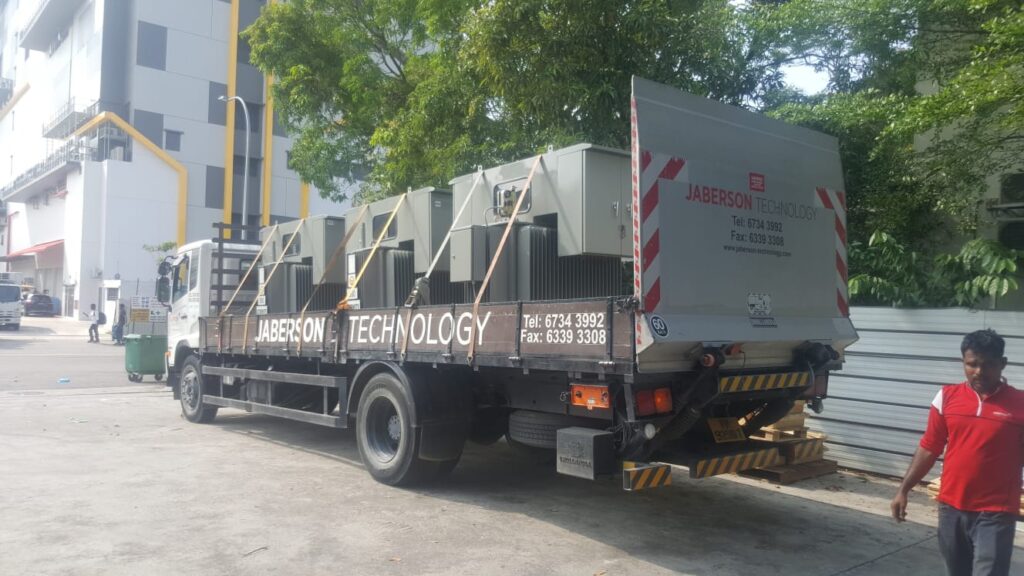
Properly conducted route surveys are arguably the most essential aspect of the safe and successful transportation of heavy machinery. Early identification of the potential risks is the main feature of route surveys, which help in the prevention of delays, reduction in safety hazards, and protection of both equipment and valuable cargo during the journey.
Heavy machinery transportation when combined with correct route planning and expert execution can be done without any hiccups and in an efficient manner – even if the project at hand is the most complicated one.
Need Help With Heavy Machinery Transportation Planning?
Moving heavy machinery or large equipment is not just about physically transporting the items. While it may seem like a simple process, the absence of proper route surveys, permit planning, and technical coordination can cause minor issues on the road to escalate into expensive delays or even safety risks.
When a company is relocating heavy machinery or oversized cargo, partnering with a seasoned logistics and engineering company such as Jaberson Technology will guarantee that every route is thoroughly evaluated and every move is efficiently planned in advance of the trip.
📧 Email: info@jaberson-technology.com
📞 Call : +65 6734 3992