
What Is Out-of-Gauge (OOG) Transportation and Why It Requires Expert Planning
Not all large or heavy cargo can be neatly packed into a standard container. This is the main reason for the need of out-of-gauge transportation. OOG transportation is the usual method used to move tornado machinery, construction equipment, and industrial goods that are larger than the standard dimensions for shipping.
Due to the large size, heavy weight, and complexity, OOG transportation is one of those things that require a lot of forethought, the use of special equipment, and skilled handling. We’ve covered what OOG transportation is and the importance of expert planning for the safety and success of the shipment.
What Is Out-of-Gauge (OOG) Transportation?
Out-of-gauge transportation is the term for the transportation of cargo which can’t be loaded into a standard shipping container because it is too big or too heavy. In fact, such cargo may be an over-sized stuff in length, width, height, or weight and can still be transported.
Here are some of the common types of OOG cargo:
- Heavy construction machinery
- Industrial equipment
- Power generators and turbines
- Large steel structures
- Factory or plant components
Such items could not be put in containers in the typical way, so they require special treatment. For example, flat racks, open-top containers, or special trailers may be used.
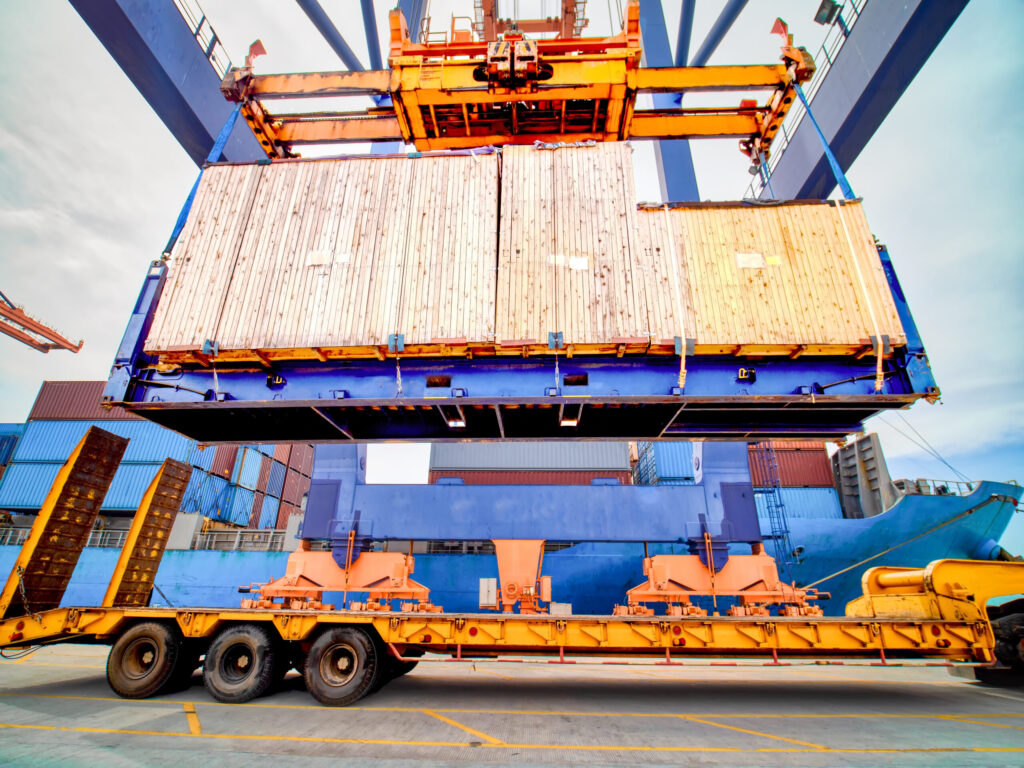
How is OOG Cargo Transported?
OOG cargo can be transported through the use of various methods, these being dependent on the cargo’s size, weight, and destination:
- Flat rack containers – used for cargo that is too wide or too tall
- Open-top containers – used for cargos that are too tall
- Low-bed or multi-axle trailers – used for land transportation besides railways
- Breakbulk or RoRo vessels – Used for very large or heavy cargos
Every method has its technical and safety requirements; hence, good planning is essential.
Why Out-of-Gauge Transportation Requires Expert Planning
1. Thorough Route and Location Examination
Out of gauge freight usually has a limitation to use normal routes. The condition of the bridges, widths of the roads, height restrictions, and allowed turning radius have to be checked in detail. A good route survey is the key to the avoidance of delays, accidents, and expensive rerouting.
2. Special Permits and Regulatory Approvals
Carrying over-the-limit freight most of the time, necessitate the provision of a permit by the local authorities. The permits may detail the following:
- Authorized travel routes
- Time Limitations
- Escort Vehicle Requirements
Not having the correct permits or having them wrongly done can cause the shipment to be stopped altogether, thus compliance being a very important part of the OOG transportation planning.
3. Customised Lifting and Securing Solutions
OOG cargo is not like standard cargo and, therefore, requires custom lifting plans and securing methods. If the wrong lifting points are chosen or insufficient securing is done, the cargo and equipment can be seriously damaged.
Logistics team with experience accomplish:
- Evenly load distribution
- Lift with safety
- Fasten tightly for transport
4. Safety and Risk Management
OOG cargo, primarily caused by its size and weight, is considerably more risky. Expert planning assists in reducing:
- Equipment damage
- Accidents during loading and unloading
- Delays resulted from unexpected problems
Carrying out a risk assessment and having a plan for emergencies are two crucial factors of any transport project involving OOG cargo.
5. Controlling Costs and Scheduling
Transporting OOG (Out of Gauge) is definitely pricier compared to normal shipping. If not carefully planned by a professional, the expenses might go up because of the delays, penalties, or the changes made at the last minute. An efficiently planned OOG activity is instrumental in maintaining the time schedules within a reasonable range and the budget without overspending.
Why Consult with a Experienced OOG Transportation Specialist?
Out-of-gauge transportation is more than just transferring the load from the sender to the receiver.
Generally, to successfully carry out OOG transport, it is necessary to have thorough knowledge of the subject, be able to obtain and coordinate information from different stakeholders, and have the practical experience of dealing with such complex shipments.
The following are some of the ways that a seasoned partner for OOG transport can help you:
- Cargo feasibility study
- Suggest transport option that maximizes efficiency
- Automate permit acquisition and ensure compliance
- Perform risk assessment and risk management throughout the shipment
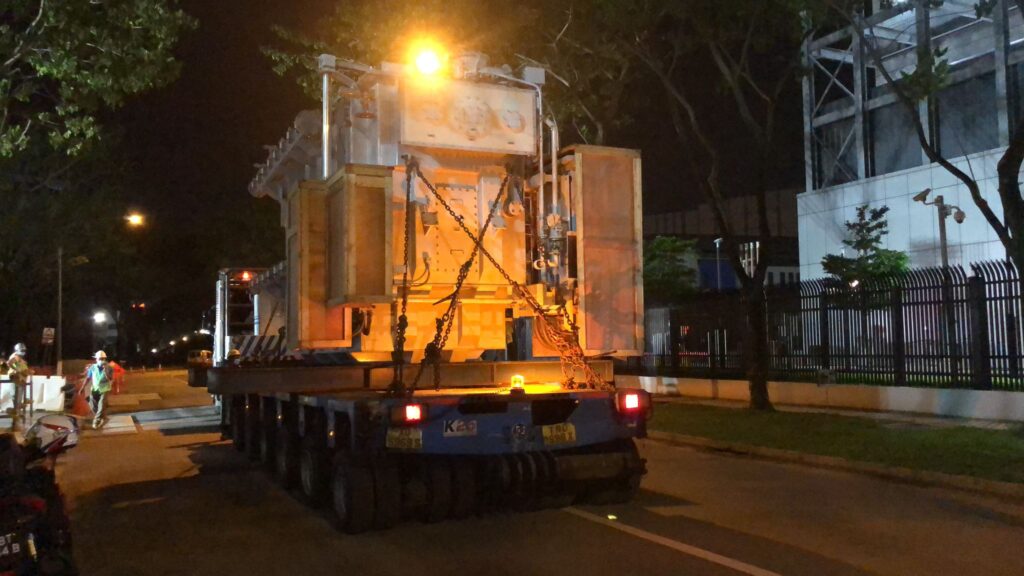
Out-of-gauge (OOG) transportation is essential for industries like construction, manufacturing, and energy. Nevertheless, because of its complexity, it requires expert planning, specialised equipment, and qualified execution.
If you have a good logistics partner and proper planning, OOG cargo can be shipped safely, efficiently, and without any unnecessary delays.
Need Help With Out-of-Gauge Transportation?
Moving out-of-gauge cargo is never a standard job. From route planning and permits to specialised lifting and transport solutions, every detail needs to be carefully managed to avoid delays, damage, or costly disruptions.
For businesses handling oversized or heavy cargo, working with an experienced logistics and engineering partner like Jaberson Technology ensures your out-of-gauge shipment is planned, executed, and delivered safely and efficiently.
📧 Email: info@jaberson-technology.com
📞 Call : +65 6734 3992