
Heavy Machinery Moving: Handling Equipment in Confined Spaces
Moving industrial equipment is challenging enough in an open factory or construction site. However, the difficulty increases significantly when machinery needs to pass through narrow entrances, restricted corridors, low ceilings or areas with limited working space.
These situations require more than conventional lifting and transportation methods. Businesses need to consider equipment dimensions, weight distribution, access limitations and the surrounding infrastructure before moving begins.
Professional heavy machinery moving services help businesses manage these challenges through detailed planning, specialised equipment and controlled handling techniques. For facilities such as manufacturing plants, data centres and healthcare environments, choosing an experienced machinery moving team is essential to protecting both the equipment and the workplace.
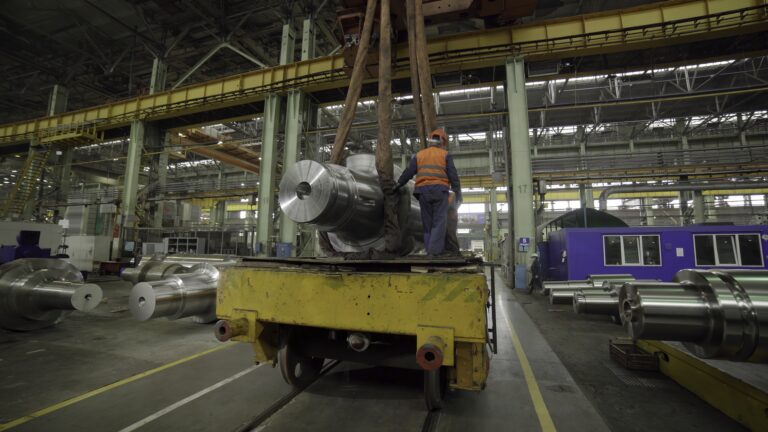
Why Confined-Space Machinery Moving Is Challenging
Industrial facilities are not always designed with future machinery relocation in mind. Equipment may need to be moved through spaces that were originally intended for normal personnel and material access.
Common challenges include:
- Narrow doorways and restricted access points
- Low ceiling clearance and overhead obstructions
- Limited turning space for large equipment
- Uneven floors or restricted floor loading capacity
- Nearby machinery, electrical installations and piping
- Limited space for lifting and positioning equipment
A machine that can be transported easily across an open warehouse may become much more difficult to move once it reaches a restricted internal area.
For example, a large industrial machine may need to be repositioned within an existing production facility without dismantling surrounding equipment. In such situations, the moving team must understand the available space and determine how the machinery can be transferred safely.
Conducting a Site Assessment Before Moving
A proper site assessment is one of the most important stages of confined-space machinery moving.
Before selecting the moving method, the team should understand the machinery’s dimensions, total weight, centre of gravity and designated lifting points.
The surrounding environment must also be assessed. This includes measuring access routes, checking floor conditions, identifying overhead obstructions and confirming whether the destination has sufficient clearance.
Important assessment considerations include:
Equipment specifications: Confirm the machine’s dimensions, weight and structural characteristics.
Access measurements: Check doorways, corridors, ceiling heights and turning areas along the proposed route.
Floor capacity: Determine whether the floor can support the machinery and moving equipment during relocation.
Surrounding infrastructure: Identify nearby electrical systems, pipelines, walls and other installations that could be affected.
Destination readiness: Ensure the final positioning area is accessible and prepared to receive the equipment.
Singapore’s Workplace Safety and Health Council provides guidance on planning safe lifting operations. Its guidance highlights the importance of lifting plans, risk assessments, equipment selection and clearly assigned responsibilities. For complex lifting activities, additional engineering planning may be necessary.
Selecting the Right Specialised Moving Equipment
Conventional forklifts and cranes may not always be suitable for confined industrial environments.
Depending on the machinery and site conditions, specialist moving equipment may be required to control the movement of heavy loads within limited spaces.
Possible equipment and techniques include:
- Hydraulic jacking systems: Used to raise machinery in a controlled manner when lifting clearance is limited.
- Skidding systems: Allow heavy equipment to move horizontally along a prepared path.
- Machinery rollers: Support controlled movement across suitable floor surfaces.
- Low-profile lifting equipment: Useful when overhead clearance is restricted.
- Specialised rigging equipment: Helps manage lifting, positioning and load control.
The correct combination depends on the equipment specifications and site conditions. Using unsuitable tools can increase the risk of equipment damage, floor damage or loss of load control.
Jaberson Technology invests in specialised machinery moving tools to handle challenging relocation requirements, including tight-space movements and sensitive equipment handling.
Protecting Existing Infrastructure During Relocation
One concern when carrying out heavy machinery moving inside an operating facility is protecting the surrounding infrastructure.
A machine may need to pass close to electrical panels, structural columns, pipelines or other production equipment. Even minor contact can result in costly damage or operational disruption.
To reduce these risks, the relocation plan should identify potential contact points and establish a suitable movement path.
Depending on the project, protective measures may include floor protection, temporary barriers, load-spreading arrangements and controlled movement procedures.
The moving team should also establish clear communication between equipment operators, riggers and supervisors. Everyone involved must understand the movement sequence and their responsibilities before work begins.
Planning Machinery Relocation Around Business Operations
Some industrial facilities cannot simply stop operations whenever machinery needs to be moved.
Manufacturing plants may have production schedules to maintain, while data centres and healthcare facilities may contain equipment that supports essential operations.
In these environments, relocation planning should consider the timing and operational impact of the work.
Businesses may consider:
- Scheduling movement during planned maintenance periods.
- Dividing relocation into manageable stages.
- Preparing the destination area before equipment movement.
- Coordinating access with facility management.
- Conducting dry runs when necessary.
- Confirming the required resources before the relocation begins.
Jaberson Technology’s machinery moving team conducts planning and assessments before relocation and may carry out dry runs where necessary to identify challenges and refine the moving procedure.
Its experience includes moving and positioning sensitive equipment and data centre equipment, where precision and careful coordination are particularly important.
Why Experience Matters in Heavy Machinery Moving
Every machinery relocation presents different technical challenges. The equipment type, site layout, available access and surrounding conditions all influence the moving method.
An experienced machinery moving provider should be able to assess these factors and recommend an appropriate approach rather than relying on a single standard method.
Jaberson Technology brings experience and specialised equipment to complex machinery relocation projects. Our team is equipped to handle heavy machinery moving, equipment rigging and hoisting, sensitive equipment relocation and data centre equipment positioning.
With ISO 45001, bizSAFE Star and ConstructSecure certifications, we maintain a strong focus on workplace safety and professional project execution.
These credentials, together with its investment in specialised tools and planning procedures, demonstrate its focus on workplace safety and professional project execution.
Conclusion
Heavy machinery moving in confined spaces requires careful assessment, suitable equipment and a well-coordinated team. Restricted access, limited clearance and nearby infrastructure can make even a relatively short relocation technically challenging.
By assessing the site before work begins, selecting appropriate moving tools and planning each stage carefully, businesses can better manage the risks associated with machinery relocation.
For companies that need to relocate heavy industrial equipment, working with an experienced specialist such as Jaberson Technology provides access to machinery moving, rigging and hoisting capabilities designed for complex site conditions.