
Freight Forwarder Singapore: Managing Transhipment & Cargo Consolidation
Singapore’s position as a major international logistics hub makes it an important transit point for cargo moving between Asia and global markets. For businesses shipping industrial equipment, machinery and project cargo, however, moving goods through Singapore involves more than arranging a vessel or aircraft.
A reliable freight forwarder Singapore businesses work with can coordinate different stages of the shipment, including transhipment, documentation, cargo handling, temporary storage and onward transportation.
For shipments involving multiple destinations or suppliers, effective coordination can make a significant difference to how smoothly cargo moves through Singapore.
What Is Transhipment?
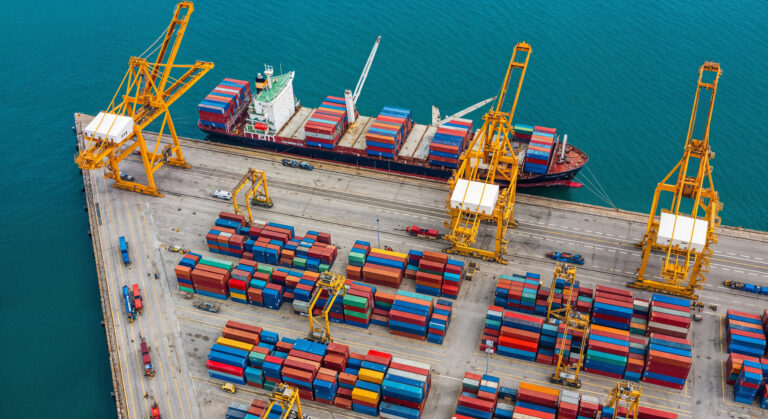
Transhipment refers to goods moving through Singapore from an overseas origin to an overseas final destination without being imported into Singapore.
According to Singapore Customs’ Transhipment Operations Overview, transhipment goods move through Singapore between a place outside Singapore and a final destination outside Singapore, subject to the applicable conditions and supporting documents.
This distinction matters because transhipment shipments can follow different customs procedures from normal imports or exports.
A freight forwarder familiar with Singapore’s requirements can help determine the appropriate movement arrangement and coordinate the documentation needed for the cargo.
Why Transhipment Requires Proper Coordination
Cargo passing through Singapore may involve several parties, including:
- Overseas suppliers
- Shipping lines or airlines
- Freight forwarders
- Local handling agents
- Customs authorities
- Transport providers
- The final consignee
Each party may be responsible for different parts of the shipment.
For example, cargo arriving by sea may need to be transferred for onward transportation to another country. If the shipment involves multiple consignments, different documentation or special handling requirements may also apply.
Singapore Customs states that a transhipment agent is responsible for accounting for the movement of goods while they are transhipped through Singapore.
This makes coordination an important part of freight forwarder Singapore services.
Managing Consolidated Project Cargo
Industrial projects often involve equipment arriving from different suppliers at different times.
A project could require machinery from Japan, electrical components from Europe and supporting equipment from another Asian country. Rather than treating every shipment as an isolated movement, logistics teams may need to coordinate the cargo around a common project schedule.
A freight forwarder can help organise shipment information and coordinate the movement of cargo through Singapore based on the requirements of the project.
For larger or specialised equipment, this may also involve temporary cargo storage before the next stage of transportation.
Jaberson Technology operates a warehouse near Tuas Mega Port, with a column-free area designed to accommodate heavy, oversized and out-of-gauge cargo requiring transit storage.
This type of facility can be useful when cargo timing does not perfectly match the next transportation or project-site requirement.
When Cargo Needs Temporary Storage
Not every shipment can move directly from the arrival point to its final destination.
There may be several reasons for temporary storage, such as:
- The project site is not ready
- Multiple shipments need to be coordinated
- Equipment requires inspection before delivery
- The receiving site has restricted delivery windows
- Cargo needs to be consolidated before onward transportation
- The final transportation arrangement is scheduled for a later date
For project cargo, storage is therefore not simply about keeping goods in a warehouse. The location, available space and ability to handle heavy or oversized equipment can all affect the logistics plan.
Jaberson’s warehousing facility is positioned near Tuas Mega Port and is designed to support the storage and handling of cargo of different weights and sizes.
Understanding Singapore's Transhipment Requirements
Businesses should not assume that every shipment passing through Singapore automatically qualifies as transhipment.
Singapore Customs explains that goods that do not meet the recognised transhipment scenarios may instead need to be covered by the relevant import and export permits, even when the goods remain within a Free Trade Zone.
The correct declaration therefore depends on the actual movement, parties involved and nature of the cargo.
Singapore Customs also states that permit applications for transhipment are submitted through TradeNet, Singapore’s National Single Window for trade declarations.
For businesses, this reinforces why shipment details should be reviewed before cargo moves rather than waiting until the shipment reaches Singapore.
Coordinating Transhipment With Local Transportation
Transhipment and local transportation may also need to work together when cargo enters Singapore temporarily for handling, staging or onward movement.
For specialised industrial cargo, transportation requirements can be more complex than standard container trucking.
Jaberson Technology provides transportation solutions including normal truck transportation, container trucking, night trucking and out-of-gauge transportation with police escort coordination. Its freight forwarding service also arranges shipments by sea and air to destinations worldwide.
Combining these capabilities can help businesses coordinate international freight with the local movement requirements of heavy or sensitive cargo.
What to Check Before Choosing a Freight Forwarder Singapore Partner
When comparing freight forwarding providers, businesses handling industrial or project cargo should consider more than shipping rates.
Key questions include:
- Can the provider handle transhipment requirements?
- Can they coordinate sea and air shipments?
- Do they understand Singapore customs procedures?
- Can they arrange suitable temporary cargo storage?
- Can they coordinate local transportation?
- Do they have experience with heavy or oversized cargo?
- Can they coordinate multiple shipments around a project schedule?
Singapore’s logistics ecosystem supports a wide range of international cargo movements. The Singapore Economic Development Board highlights the country’s connectivity through its major seaport and Changi Airport, as well as its role as a regional logistics and supply chain hub.
For businesses moving complex industrial cargo, selecting a freight forwarder Singapore partner with broader logistics capabilities can therefore provide value beyond basic shipment booking.
Conclusion
Transhipment through Singapore can involve multiple parties, documentation requirements and cargo movements. For industrial and project cargo, the challenge becomes greater when shipments arrive at different times or require temporary storage before continuing to their final destination.
A capable freight forwarder Singapore partner can help coordinate these moving parts, from international shipping and transhipment procedures to storage and local transportation.
By planning the complete cargo movement in advance, businesses can create a more organised logistics process and better align international shipments with their project requirements.