
Freight Forwarder Singapore: Managing Complex Cargo from Port to Project Site
Moving cargo internationally involves more than arranging a shipment from one port to another. For businesses handling machinery, industrial equipment, project cargo, or time-sensitive materials, every stage of the journey needs to be coordinated carefully.
This is where choosing the right freight forwarder Singapore businesses can rely on becomes important.
A capable freight forwarding partner helps coordinate documentation, customs procedures, cargo movement, and onward transportation. For industrial projects, the role can extend even further, connecting international freight with warehousing, local transportation, machinery moving, and final site delivery.
Jaberson Technology provides freight forwarding solutions designed to support businesses moving industrial and project cargo in Singapore, with freight forwarding integrated into its wider logistics capabilities.
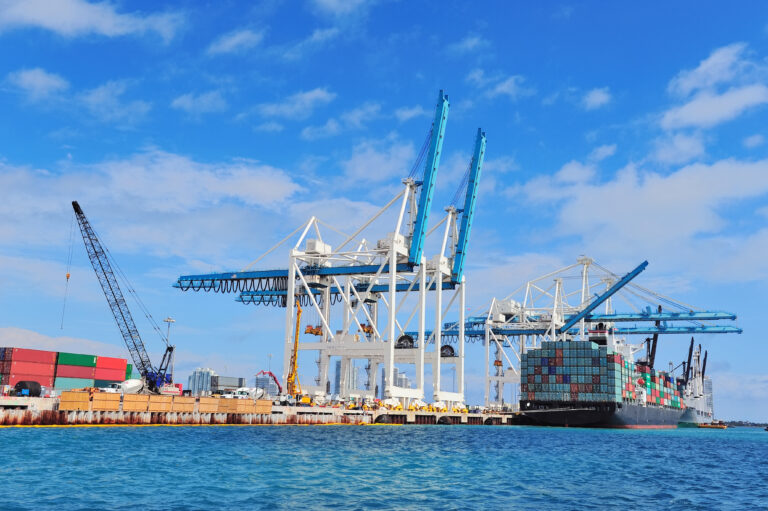
What Does a Freight Forwarder Actually Do?
A freight forwarder acts as a logistics coordinator between shippers, carriers, customs authorities, transport providers, warehouses, and other parties involved in moving cargo.
Depending on the shipment, responsibilities may include:
- Shipment coordination
- Import and export documentation
- Customs clearance support
- Cargo collection and delivery
- Container transportation
- Warehousing coordination
- International freight arrangements
For standard commercial shipments, these activities may follow a relatively predictable process. Industrial cargo can be more complicated because equipment may be oversized, high-value, heavy, or subject to specific handling requirements.
Jaberson Technology’s Freight Forwarding Services support businesses with cargo movement while connecting freight forwarding with its broader logistics and transportation capabilities.
Why Customs Knowledge Matters in Singapore
Singapore has a highly structured customs environment. Businesses importing goods into Singapore are required to make the appropriate declarations, and customs permits are submitted through TradeNet.
According to Singapore Customs, importers must obtain a Customs Import Permit through TradeNet, either by submitting the application themselves or appointing a Declaring Agent to do so.
This makes regulatory knowledge an important consideration when selecting a freight forwarder Singapore partner.
A freight forwarding team needs to understand the documentation and declaration requirements relevant to each shipment, particularly when cargo involves controlled goods, temporary imports, re-exports, or specialised equipment.
Singapore Customs also states that import procedures involve requirements relating to permits, duties, GST, and other applicable controls.
Documentation Can Affect Cargo Movement
International cargo depends heavily on accurate documentation.
Depending on the shipment, documents may include:
- Commercial invoice
- Packing list
- Bill of lading
- Air waybill
- Certificate of origin
- Import or export permits
- Cargo specifications
Discrepancies between documents can create unnecessary delays during clearance.
For industrial equipment, accurate cargo descriptions and specifications are particularly important because the shipment may require additional checks or regulatory approvals.
An experienced freight forwarder Singapore provider should therefore review shipment information carefully before cargo reaches the destination rather than waiting until an issue appears during clearance.
Freight Forwarding for Industrial and Project Cargo
Industrial freight forwarding has different requirements from ordinary cargo transportation.
A shipment could involve a transformer, production machine, electrical switchgear, process equipment, or other specialised assets. The freight forwarding plan needs to consider not only how the cargo arrives in Singapore but also what happens after clearance.
For example:
International shipment → Port arrival → Customs clearance → Warehouse → Specialised transport → Project site
This is where freight forwarding becomes closely connected with project logistics.
Jaberson Technology provides Project Logistics solutions that can coordinate transportation, warehousing, machinery moving, and other requirements surrounding complex project cargo.
Coordinating Freight with Warehousing
Cargo does not always need to travel directly from the port to its final destination.
For industrial projects, equipment may arrive before the project site is ready. Temporary storage can therefore provide a controlled staging point until the cargo is required.
A freight forwarder with access to integrated logistics capabilities can coordinate the movement from international origin through customs and into warehousing.
Jaberson Technology’s Warehousing Services provide storage support for industrial cargo, allowing businesses to coordinate storage with their wider logistics requirements.
This can be particularly useful when multiple shipments from different suppliers need to be managed according to one project schedule.
Connecting Freight Forwarding with Local Transportation
Once cargo has cleared customs, the logistics process does not end.
Equipment may need to be transported from the port or warehouse to a factory, construction site, data centre, or industrial facility.
For standard cargo, normal truck transportation may be sufficient. However, oversized or heavy equipment can require specialised vehicles, traffic coordination, permits, or police escorts.
Jaberson Technology provides Transportation Services including normal truck transportation, container trucking, night trucking, out-of-gauge police escort transportation, and road-closure transportation.
Having these capabilities within the same logistics network can simplify coordination between international freight and local delivery.
Handling Specialised and Controlled Cargo
Some cargo requires additional regulatory attention.
Singapore Customs categorises certain goods as controlled items, which may require approval from the relevant Competent Authorities before import or export.
For certain strategic goods, Singapore Customs also requires additional documentation and procedures. Its current guidance on Import Certification and Delivery Verification explains that specific goods may require an Import Certificate and a TradeNet import permit before entering Singapore.
For businesses moving specialised technology, industrial equipment, chemicals, or other regulated goods, understanding these requirements before shipment is essential.
This is another reason why businesses should evaluate a freight forwarder Singapore provider based on experience and regulatory knowledge rather than price alone.
What to Look for in a Freight Forwarder Singapore Partner
Before appointing a freight forwarding company, businesses should consider whether the provider can support the complete cargo journey.
Important factors include:
Customs and Documentation Experience
The provider should understand Singapore’s import and export procedures and be able to coordinate the required documentation.
Industrial Cargo Experience
Moving industrial equipment requires knowledge of cargo handling, dimensions, weight, securing, and delivery requirements.
Local Transportation Capability
A freight forwarder that can coordinate local transportation can make the transition from port clearance to final delivery more efficient.
Warehousing Support
Temporary storage can be valuable when cargo arrives before the project site is ready.
Project Logistics Expertise
For complex industrial projects, freight forwarding should fit into a wider logistics plan rather than operate as an isolated service.
Why Jaberson Technology?
Jaberson Technology combines freight forwarding with transportation, warehousing, machinery moving, and project logistics.
Its freight forwarding operations focus on customs compliance, documentation accuracy, and coordinated cargo movement. The company also highlights experience supporting industrial and specialised cargo where freight forwarding needs to connect with local logistics activities.
This integrated approach is particularly relevant for businesses handling project cargo where the logistics process continues well beyond port clearance.
Explore Jaberson Technology’s complete logistics services to see how freight forwarding can be combined with transportation, warehousing, and project logistics.
Conclusion
Choosing the right freight forwarder Singapore businesses can depend on is about more than securing international transportation. For industrial and project cargo, the freight forwarding partner should understand customs requirements, documentation, cargo handling, local transportation, warehousing, and the final delivery process.
With Singapore’s strict trade regulations and complex industrial logistics requirements, experienced coordination can help businesses reduce avoidable delays and maintain better control over their cargo.
By combining freight forwarding with transportation, warehousing, and project logistics capabilities, Jaberson Technology provides an integrated approach for businesses moving specialised and industrial cargo through Singapore.